HS Classification and Duties: Why the Code on Your Invoice Matters
 Amir Oboudi·November 23, 2026·6 min read
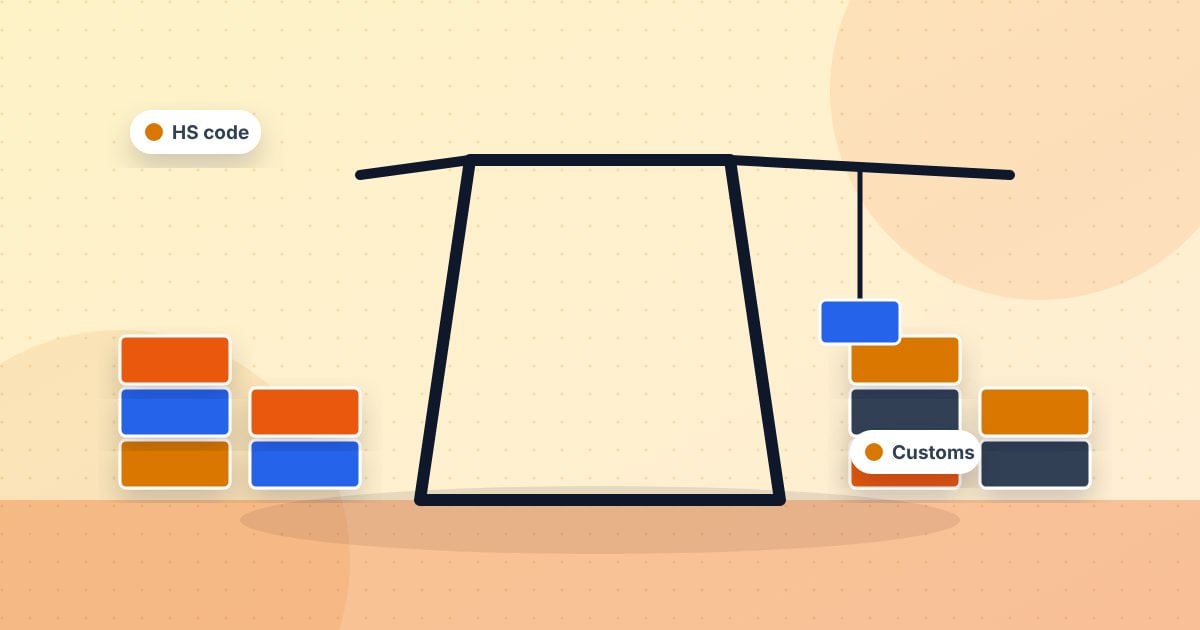
The tariff code on your invoice sets the duty rate and decides whether a trade agreement applies. Here is why energy equipment is hard to classify, and how to avoid reassessment.
In this article
The code on the invoice decides the rate
Every imported shipment is classified under a tariff code, and that code determines the duty rate, whether a trade agreement applies, and what documentation the border agency expects. Get it wrong and the cost is not just the duty — it is penalties, held shipments, amended entries and, in the worst case, a reassessment months after you have already priced the job.
What the HS actually is
The Harmonized System (HS) is an international nomenclature maintained by the World Customs Organization. It gives the first six digits of a tariff code, which are common across participating countries. Each country then adds its own digits for national tariff lines. That is why the same product can carry a slightly different full code in two countries even though the first six digits match.
Practically: the six-digit level tells you what the product is internationally, and the national digits tell you what rate you pay.
Why energy equipment is unusually tricky
Classification turns on what a product is and what it does, and energy equipment often sits across categories:
- Complete units versus parts. A solar module is not classified the same as the junction box that ships with it.
- Multi-function equipment. An inverter with integrated monitoring may be argued under more than one heading.
- Kits and sets. A "system in a box" may need to be classified component by component rather than as one item.
- Batteries inside equipment. A battery shipped loose and the same battery installed in a unit are different classification questions.
- Used versus new. Condition can affect treatment even where the heading is unchanged.
- Dual-use goods. Some power electronics attract additional controls depending on specification.
Common classification traps
| Trap | What goes wrong | How to avoid it |
|---|---|---|
| Classifying by trade name | The invoice description does not match the tariff language | Classify on technical characteristics and function |
| Assuming the supplier's code is right | Liability sits with the importer, not the exporter | Verify the code independently before the first shipment |
| One code for a mixed shipment | Items attracting different rates are lumped together | Itemise the commercial invoice line by line |
| Parts declared as complete units | Higher duty, or a compliance problem on assembly | Separate parts from finished goods on the paperwork |
| Ignoring accessories | Cables, mounts and controllers silently change the entry | List every component and its own code |
| Copying a code from a similar product | Near-misses are still misclassification | Get a written ruling where the value justifies it |
Origin is a separate question from classification
A correct code does not automatically get you a preferential rate. Preferential treatment under an agreement — CUSMA, CPTPP or CETA, for example — depends on the goods meeting that agreement's rules of origin, and on having the documentation to prove it. Country of shipment is not the same as country of origin. If a supplier ships from one country but the goods originate in another, the paperwork has to show it clearly.
Ask the supplier for a properly completed origin declaration and keep it. Without it, you pay the standard rate and may be unable to claim a refund later.
The documents have to agree with each other
Border agencies compare documents. Descriptions on the commercial invoice, the packing list, the transport document and the certificate of origin should describe the same goods in the same terms. Small inconsistencies — a model number on one document and a family name on another — cause holds. Agree the exact description with your supplier before the first shipment, and use it consistently.
Advance rulings
Many customs authorities will issue a written ruling on classification before you import, given a full technical description. On a large or recurring order this is inexpensive insurance: it converts an opinion into a decision you can rely on. Where the value of a shipment is material, ask about the ruling process in your jurisdiction.
What happens when classification is wrong
- Duty reassessed, often with interest.
- Penalties, which can depend on whether the error was careless or deliberate.
- Shipments held at the border while the entry is corrected.
- Voluntary disclosure processes that may reduce penalties — worth asking about if you discover an error yourself.
- Preferential claims reversed if origin evidence is missing.
Note that the importer of record generally carries the liability, even where the exporter supplied the code. That is the single most important reason to verify it yourself.
Checklist
- Get a full technical description of each item, not a trade name.
- Classify each line separately, including accessories and parts.
- Confirm the national tariff digits, not only the six-digit HS heading.
- Check whether a trade agreement applies and what origin evidence is required — see importing into Canada.
- Ask for a properly completed origin declaration and keep it on file.
- Make every document describe the goods identically.
- Consider an advance ruling for high-value or repeat shipments.
- Price the duty into your landed cost — see total landed cost.
Where to go next
Build the full cost picture with total landed cost, confirm the delivery terms in Incoterms, and check the paperwork your supplier should provide in certifications and documents. Browse B2B listings and the shop.
This is general information, not customs or legal advice. Tariff treatment, rates and rulings vary by country and change over time — confirm the current position with a licensed customs broker or the relevant authority before you import.
Frequently Asked Questions
Who is responsible for the tariff code being correct?
Generally the importer of record, even if the exporter supplied the code. Verify it independently before your first shipment.
Can I use the same HS code in every country?
The first six digits are common internationally. The national digits that follow differ, and those are what set your rate.
Does a correct code mean I get a preferential rate?
No. Preferential treatment depends on the goods meeting a trade agreement's rules of origin and on having valid origin documentation.
Is country of shipment the same as country of origin?
No. Goods can ship from one country and originate in another. The origin declaration has to reflect where the goods actually originate.
What is an advance ruling?
A written decision from a customs authority on how goods will be classified, issued before import. It removes uncertainty on large or recurring orders.
What if I discover an error after importing?
Ask a broker or the authority about voluntary disclosure. Correcting it yourself is usually treated more favourably than being reassessed.
Written by
Amir Oboudi
November 23, 2026
Related Articles
View all
Freight Claims and Damaged Deliveries: What to Do in the First 48 Hours
A clean signature on the delivery receipt is the most expensive mistake in freight. This guide covers what to inspect, what to write, and what to do in the first 48 hours.
Importing Energy Equipment into Canada: Customs, Duties and Paperwork Basics
Importing equipment into Canada is mostly paperwork and planning. Here are the documents, classification steps and costs to expect, and why a customs broker is worth talking to early.
Total Landed Cost: The Calculation That Decides Where You Source
The quoted price is the smallest number in a sourcing decision. This guide sets out every landed cost line, how to cost lead time, and how to build a comparison that holds up.
Stay in the Loop
Get weekly market insights, auction alerts, and expert tips delivered to your inbox.
Unsubscribe anytime. No spam.