Commercial EV Charging Equipment: AC vs DC Fast Chargers, a Buyer's Guide
 Amir Oboudi·November 4, 2026·6 min read
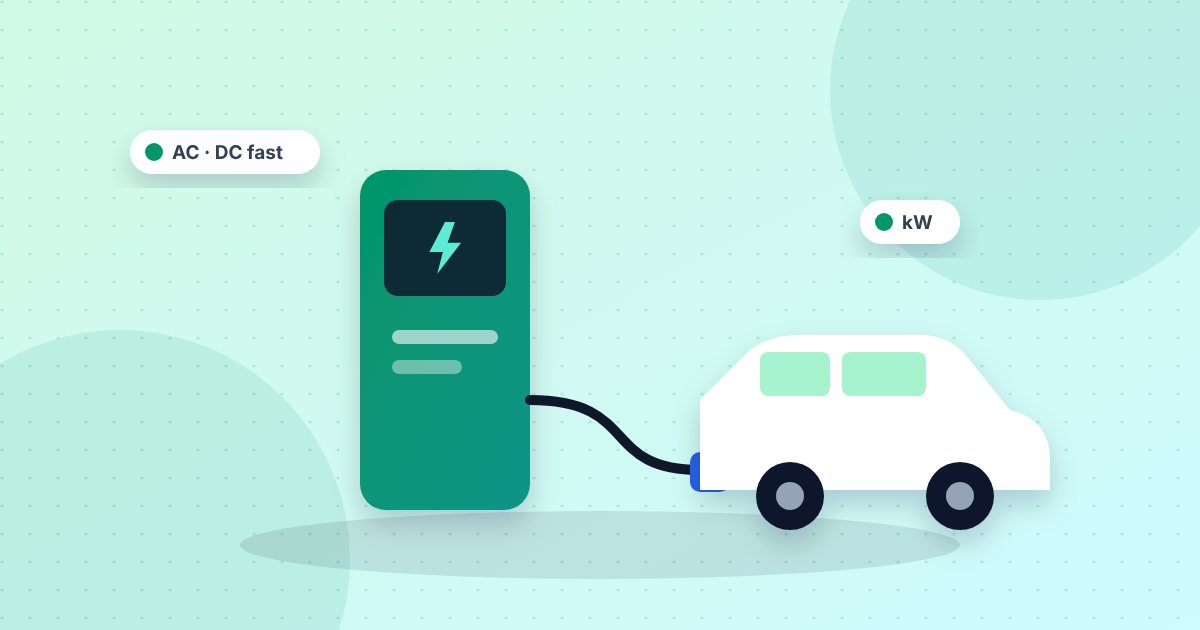
Level 2 AC chargers and DC fast chargers suit very different sites. This guide covers power levels, connectors, software and what to ask before you buy charging equipment in bulk.
In this article
Should you buy AC or DC fast chargers?
Choose AC (Level 2) chargers where vehicles park for hours, such as workplaces, apartment buildings and hotels, and DC fast chargers where vehicles need a quick top-up, such as highway stops, retail and busy fleets. AC units cost less and need less electrical capacity. DC units deliver much more power and need a larger electrical supply.
AC chargers
AC chargers supply alternating current and the vehicle's onboard charger converts it. Typical commercial units deliver a modest power level, enough to charge a vehicle overnight or during a work shift. They are simpler, cheaper and easier to install in numbers.
DC fast chargers
DC chargers convert power inside the charger and feed the battery directly, which allows much faster charging. They need a higher-capacity connection, often with a dedicated transformer, and they cost more to buy and install. See how to buy a transformer when sizing the supply.
Connectors and compatibility
North American sites have seen several connector standards, and the market is shifting. Confirm which connectors the chargers have, whether adapters or cables are supplied and what the vehicles on your site use.
Software and networking
- Support for open protocols such as OCPP, so you are not locked to one network.
- Payment and access control for public or shared use.
- Load management to share capacity across chargers.
- Remote monitoring, updates and who supports them.
Specs and documents to request
- Datasheet with rated power, input voltage and connector type.
- Safety certification for the market. See certifications and documents.
- Warranty and service coverage in Canada.
- Installation requirements and commissioning support.
Think about the whole site
The charger is only part of the cost. Include electrical upgrades, trenching, signage, accessibility and the network fees. Ask your electrician for the site capacity before you choose the number and type of chargers.
Find chargers and suppliers
Browse listings in the shop and B2B listings, or send an RFQ with your site capacity, quantity and connectors.
Frequently Asked Questions
What is the difference between Level 2 and DC fast charging?
Level 2 is AC charging at moderate power. DC fast charging delivers much higher power by converting current in the charger.
How many chargers can my site support?
It depends on your electrical capacity. Ask an electrician, and consider load management.
What is OCPP?
An open protocol that lets chargers communicate with different management systems.
Do I need a transformer for DC fast chargers?
Often a larger supply is needed. Check with your utility and electrician.
Can I buy chargers in bulk?
Yes. Ask suppliers for volume pricing, documents and installation support.
Written by
Amir Oboudi
November 4, 2026
Related Articles
View all
How to Sell Energy Equipment on TradYard: A Supplier's Guide to Listings, Documents and Deals
Factories, distributors and surplus sellers can reach buyers on TradYard. Here is how to apply, build a listing buyers trust, host a live factory tour and handle quotes and deals.

How Surplus and Used Energy Equipment Auctions Work: A Buyer's Guide
Auctions can put surplus and used energy equipment in reach at a lower price, but only if you read the lot, set a limit and plan freight. Here is the process, step by step.
Backup Power for Commercial Sites: Generators, UPS and Batteries Compared
Generators, UPS units and batteries solve different parts of the backup problem. Here is how they compare and how to combine them for a commercial site.
Stay in the Loop
Get weekly market insights, auction alerts, and expert tips delivered to your inbox.
Unsubscribe anytime. No spam.