Importing Energy Equipment into Canada: Customs, Duties and Paperwork Basics
 Amir Oboudi·October 29, 2026·7 min read
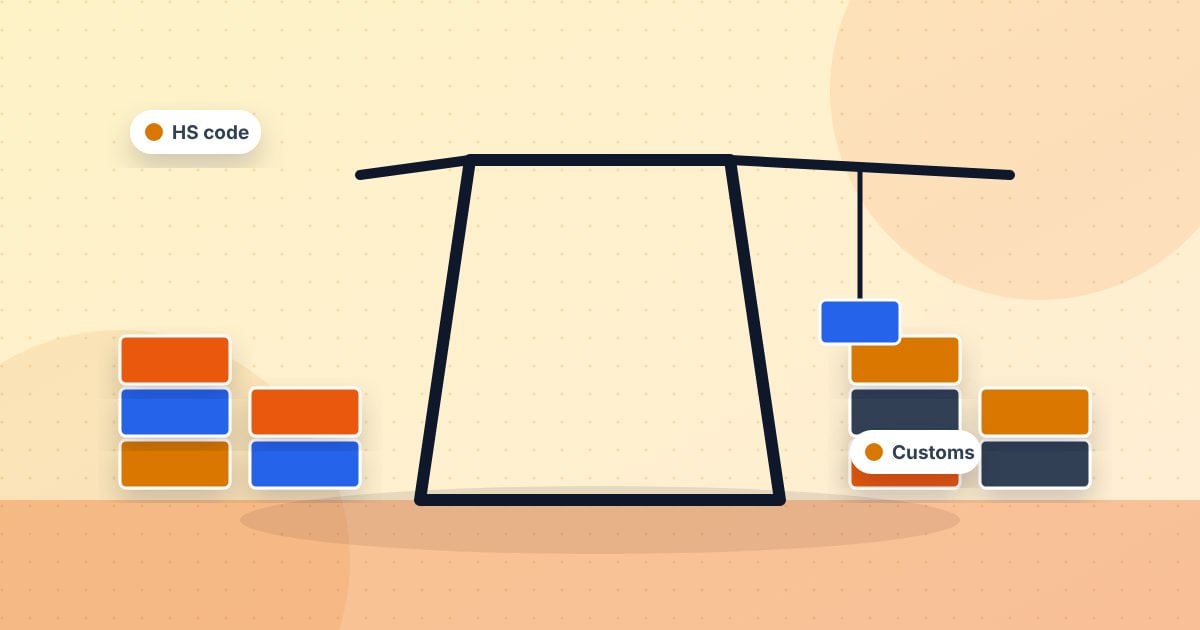
Importing equipment into Canada is mostly paperwork and planning. Here are the documents, classification steps and costs to expect, and why a customs broker is worth talking to early.
In this article
What do you need to import energy equipment into Canada?
You need a clear commercial invoice, a packing list, the transport document (bill of lading or air waybill), the correct tariff classification for each product, and a customs entry filed with the Canada Border Services Agency, usually through a licensed customs broker. Duties, surtaxes and taxes depend on the product, its origin and the rules in force at the time, so confirm them before you finalise the price.
Key documents
- Commercial invoice: seller, buyer, description, quantity, unit price, currency and delivery term.
- Packing list: pieces, pallets, weights and dimensions.
- Bill of lading or air waybill.
- Certificate of origin, where origin affects duty treatment.
- Product documents such as datasheets and certificates that prove the goods meet Canadian requirements. See certifications and documents.
Tariff classification
Every product is classified under the Harmonized System. Solar modules, inverters, lithium batteries and transformers each fall under different headings, and the exact code affects the duty rate. Ask the supplier for the code they use, then confirm it with your broker, because the classification on your entry is your responsibility.
Duties and taxes
- Customs duty depends on the classification and country of origin, and trade agreements may apply.
- Additional measures such as surtaxes or anti-dumping duties can apply to some products and origins and can change. Check the current rules before you order.
- GST or HST is generally payable on imports, and registered businesses can often claim input tax credits. Confirm with your accountant.
Work with a customs broker
A broker files your entry, calculates duties and taxes and answers classification questions. Contact one before you place a large order, not after the goods are on the water. Give them the supplier's invoice draft and product data early.
Estimate the landed cost
- Goods price in a single currency.
- Freight and insurance to the port of entry.
- Duties and any additional measures.
- Brokerage and port fees.
- Inland freight to your site.
The delivery term in the offer decides which lines you pay. See Incoterms and comparing prices.
Plan the logistics
Lithium batteries need dangerous goods handling, and heavy equipment needs unloading plans. Read shipping solar panels and batteries, and request a freight quote on TradYard to compare transport costs.
This article is general information, not legal or customs advice. Rules change, so confirm requirements with a licensed broker.
Frequently Asked Questions
Do I need a customs broker to import?
Not legally in every case, but most commercial importers use one to file entries and handle classification and duties.
Who pays duties on an import?
The importer of record pays, although the delivery term in your contract decides who handles the arrangements.
Are solar panels subject to duty in Canada?
It depends on the classification, origin and the measures in force. Check with a broker before ordering.
Can I claim back GST on imports?
GST-registered businesses can generally claim input tax credits on eligible business purchases. Confirm with your accountant.
When should I talk to a broker?
Before you place the order, so duties and documents are part of your price comparison.
Written by
Amir Oboudi
October 29, 2026
Related Articles
View allHS Classification and Duties: Why the Code on Your Invoice Matters
The tariff code on your invoice sets the duty rate and decides whether a trade agreement applies. Here is why energy equipment is hard to classify, and how to avoid reassessment.
Freight Claims and Damaged Deliveries: What to Do in the First 48 Hours
A clean signature on the delivery receipt is the most expensive mistake in freight. This guide covers what to inspect, what to write, and what to do in the first 48 hours.
Total Landed Cost: The Calculation That Decides Where You Source
The quoted price is the smallest number in a sourcing decision. This guide sets out every landed cost line, how to cost lead time, and how to build a comparison that holds up.
Stay in the Loop
Get weekly market insights, auction alerts, and expert tips delivered to your inbox.
Unsubscribe anytime. No spam.