Sourcing from Asia vs North America: Lead Time, Cost and Risk Compared
 Amir Oboudi·October 8, 2026·6 min read
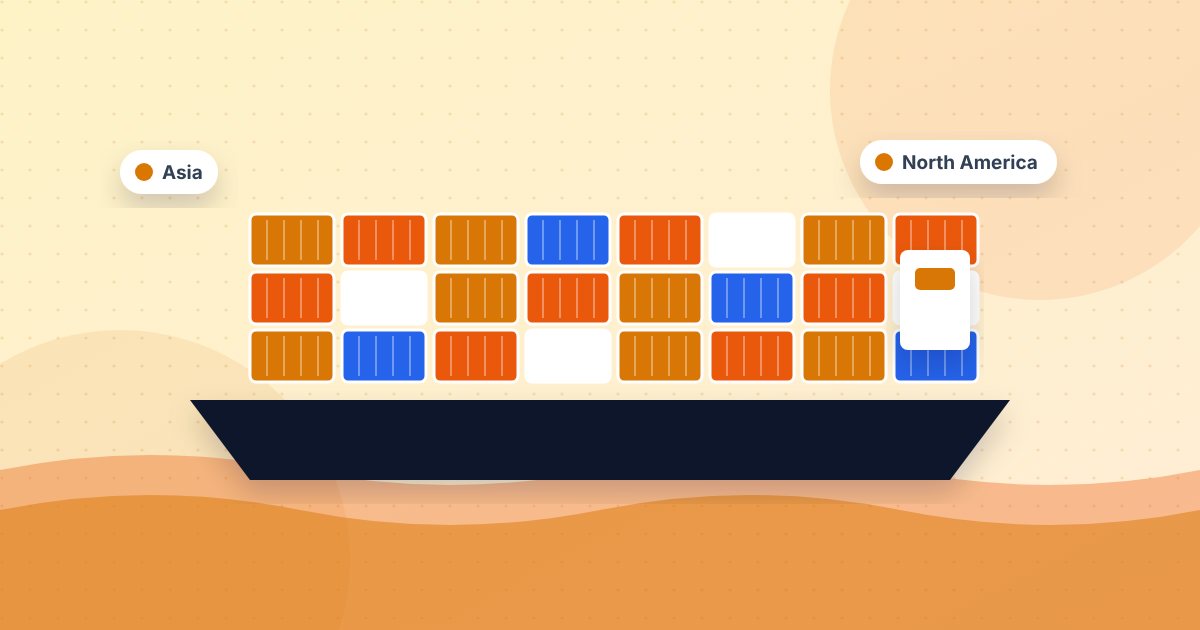
Overseas factories often quote lower unit prices, while North American stock offers speed and simpler support. The right choice depends on the landed cost, the schedule and the risk you can carry.
In this article
Should you source equipment from Asia or North America?
Neither is better in general. Factories in Asia are a major source of solar modules, batteries, inverters and many other products, often with attractive unit prices and wide choice. North American suppliers and stock offer shorter lead times, easier communication and local warranty support, usually at a higher unit price. Compare them on landed cost, schedule and risk, not on the quote alone.
The comparison
| Overseas factory | North American supplier or stock | |
|---|---|---|
| Unit price | Often lower | Often higher |
| Landed cost | Add freight, insurance, duties, brokerage, inland freight | Closer to the quote, add local delivery |
| Lead time | Production plus ocean transit and customs | Days to weeks if in stock |
| Minimum order | Often by the container | Often by the pallet or unit |
| Warranty and service | Depends on a Canadian representative | Local contact, easier claims |
| Compliance | Must verify certification and import rules | Usually already compliant for the market |
| Payment | Deposit and balance, sometimes LC | Standard commercial terms |
Build the landed-cost comparison
Convert both offers to the same currency and delivery point. For the overseas offer, add freight, insurance, duties and any additional measures in force, brokerage and inland transport. See importing into Canada and comparing prices. Rules and trade measures change often, so check them at the time of the order.
Risk is part of the price
- Schedule risk: long supply chains can slip. See lead times.
- Quality risk: mitigate with samples and inspection. See pre-shipment inspection.
- Currency risk: see currency risk.
- Supplier risk: see how to verify a supplier.
- Policy risk: duties or rules can change between order and delivery.
A mixed strategy
Many buyers use overseas factories for large planned volumes, and local stock for urgent needs, spares and small top-ups. This balances price and speed.
Compare both on TradYard
Browse factory-direct offers in B2B, in-stock equipment in the shop, join live factory tours and send an RFQ to both kinds of supplier.
Frequently Asked Questions
Is it cheaper to buy directly from the factory?
The unit price is often lower, but landed cost, lead time and risk must be included.
How long does overseas delivery take?
Production time plus transit and customs. Ask for a written schedule.
Do I need an agent?
Not always, but a freight forwarder and customs broker are usually involved.
How do I handle warranty with an overseas supplier?
Clarify the process and the Canadian contact in the contract before you buy.
Is North American stock always compliant?
Usually it has been imported for the market, but ask for certificates for your project.
Written by
Amir Oboudi
October 8, 2026
Related Articles
View all
Energy Storage in Canada: Why Commercial and Industrial Buyers Are Looking at Batteries
Battery storage is moving from pilot projects to ordinary procurement. Here are the reasons commercial and industrial buyers in Canada consider it, and what to think through first.
Price per Watt, per kWh and per kVA: How to Compare Energy Equipment Prices Fairly
A price only means something once you divide it by what you get. Learn the unit for each product type and the adjustments that make two offers truly comparable.
Total Landed Cost: The Calculation That Decides Where You Source
The quoted price is the smallest number in a sourcing decision. This guide sets out every landed cost line, how to cost lead time, and how to build a comparison that holds up.
Stay in the Loop
Get weekly market insights, auction alerts, and expert tips delivered to your inbox.
Unsubscribe anytime. No spam.