String, Hybrid and Central Inverters: How to Choose by Project Size
 Amir Oboudi·October 21, 2026·6 min read
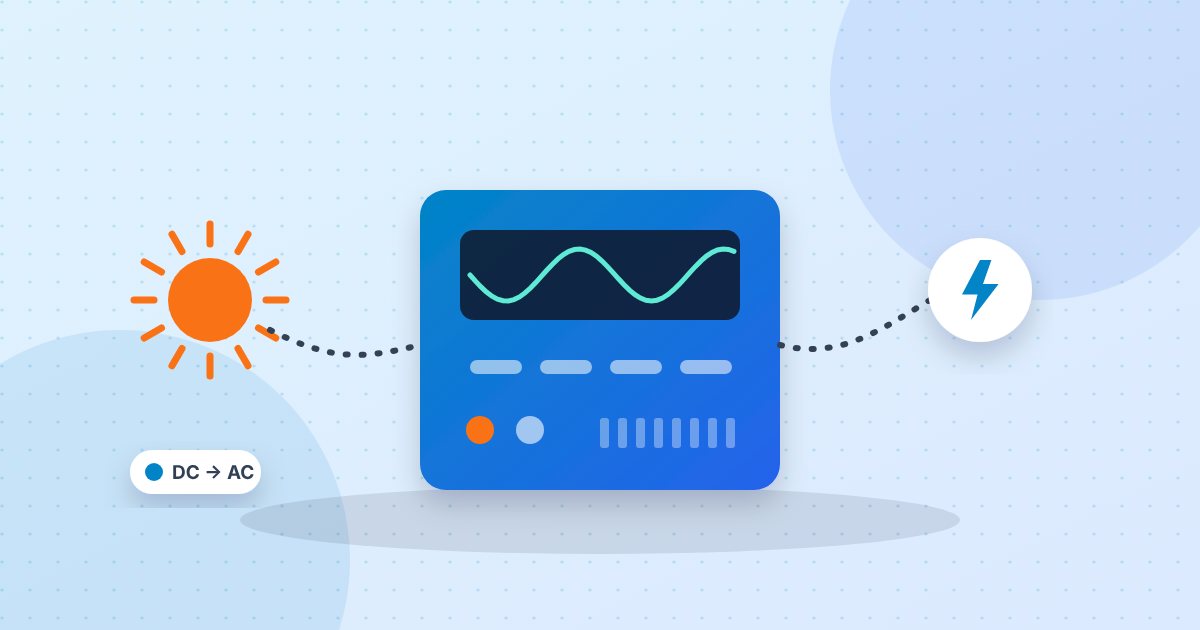
The inverter turns your panels' direct current into usable power. This guide compares string, hybrid and central inverters and shows how to choose by project size and goals.
In this article
Which inverter type should you choose?
Choose a string inverter for most small and medium solar systems, a hybrid inverter when you want solar and battery storage managed together, and a central inverter for large, utility-scale plants. Size, shading, expected growth and your budget for installation and maintenance decide the rest.
String inverters
A string inverter connects to several strings of panels and converts their direct current into alternating current. Commercial string inverters are modular, which makes installation flexible and keeps a fault from taking down the whole plant. They suit rooftops and mid-size ground-mount projects, and they work well where panels face different directions.
Hybrid inverters
A hybrid inverter combines solar conversion with battery charging and discharging in one unit. It simplifies a solar-plus-storage system and can provide backup power when the grid goes down, depending on the model and the wiring. Check the supported battery voltage range and communication protocol before you pair it with a battery.
Central inverters
A central inverter converts the output of a large array in one place. It is common in utility-scale projects with many megawatts, where one large unit can be efficient to install and maintain. The trade-off is that a failure affects a larger share of the plant, so spare parts and service access matter.
Specs to compare
- Rated AC power (kW or kVA) and the maximum DC input.
- Input voltage range and the number of MPPT inputs.
- Efficiency, including weighted or peak efficiency.
- Grid code and certifications required in your province. See which documents to ask for.
- Warranty and whether service is available in Canada.
- Monitoring and communication options.
Sizing the DC to AC ratio
Many designers install more panel capacity than the inverter's AC rating, because panels rarely produce their full rated power. A modest oversizing can improve the use of the inverter, but too much leads to clipping. Your designer should run the numbers for your site.
Match the inverter to the rest of the system
The inverter has to fit the modules (see the bulk panel checklist), and for storage, the battery (see comparing battery prices). Confirm the compatibility in writing before you order.
Compare inverter prices
Inverters are compared in price per watt of AC capacity. On TradYard, inverter listings show their specs and datasheets. Browse the shop or B2B listings, or ask suppliers directly with an RFQ.
Frequently Asked Questions
What is the difference between a string and a central inverter?
A string inverter handles a few strings of panels and is modular. A central inverter handles a large array in one unit and suits utility-scale plants.
Do I need a hybrid inverter for batteries?
Not always. You can use a battery with a separate battery inverter, but a hybrid unit simplifies a solar-plus-storage system.
What does MPPT mean?
Maximum power point tracking. It adjusts the electrical load so the panels operate near their best output.
How do I size an inverter?
Match the AC rating to your load and grid connection, and review the DC to AC ratio with your designer.
What certifications should an inverter have in Canada?
Ask for the certification marks and standards required by your utility and province, and request the certificate with the datasheet.
Written by
Amir Oboudi
October 21, 2026
Related Articles
View all
How to Sell Energy Equipment on TradYard: A Supplier's Guide to Listings, Documents and Deals
Factories, distributors and surplus sellers can reach buyers on TradYard. Here is how to apply, build a listing buyers trust, host a live factory tour and handle quotes and deals.

How Surplus and Used Energy Equipment Auctions Work: A Buyer's Guide
Auctions can put surplus and used energy equipment in reach at a lower price, but only if you read the lot, set a limit and plan freight. Here is the process, step by step.
Backup Power for Commercial Sites: Generators, UPS and Batteries Compared
Generators, UPS units and batteries solve different parts of the backup problem. Here is how they compare and how to combine them for a commercial site.
Stay in the Loop
Get weekly market insights, auction alerts, and expert tips delivered to your inbox.
Unsubscribe anytime. No spam.