Fleet Depot Charging: Planning Power, Dwell Time and Transformers
 Amir Oboudi·September 29, 2026·6 min read
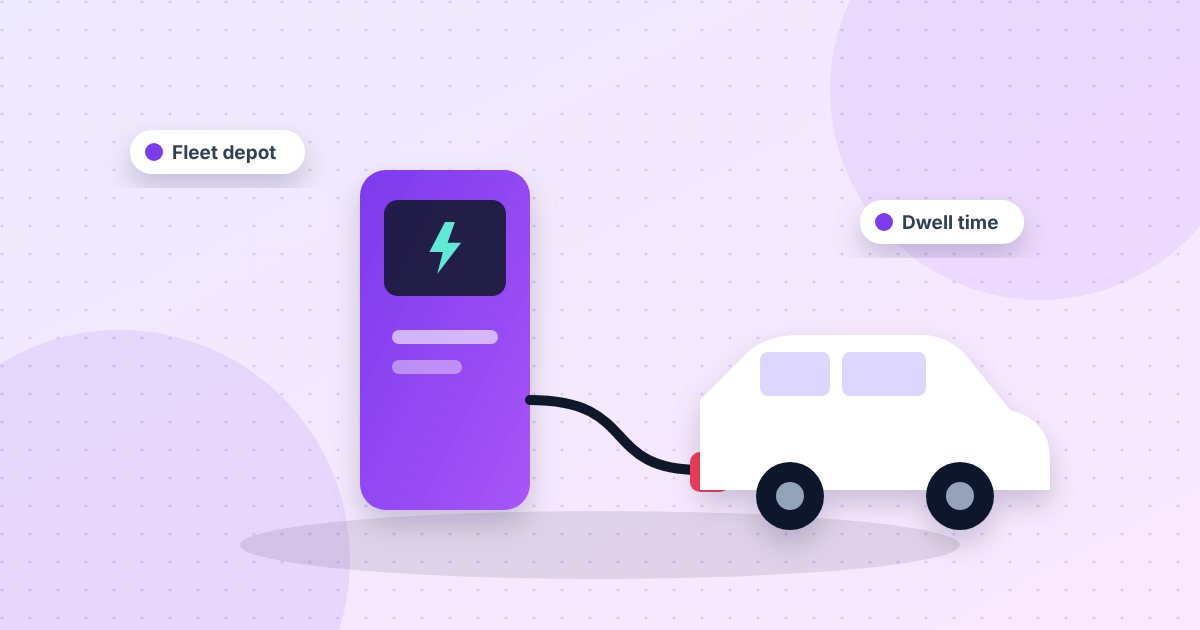
Charging a fleet is a power-planning problem first and an equipment problem second. Start from energy per vehicle, dwell time and the capacity of your site connection.
In this article
How do you plan EV charging for a fleet depot?
Work out how much energy each vehicle needs per day, how long it is parked (dwell time), and from those, the total power the depot must supply. Then compare that with the electrical capacity of the site. If capacity is short, load management, storage or a service upgrade with a new transformer closes the gap. The number and type of chargers follow from these numbers.
Step 1: Energy per vehicle
Estimate daily distance, consumption per kilometre and the battery capacity of each vehicle type. Include winter consumption, which is higher in Canadian conditions, and the buffer you want to keep in the battery.
Step 2: Dwell time
A vehicle parked overnight for ten hours needs far less charging power than one that must turn around in an hour. Divide the energy needed by the available time to find the power per vehicle. Many depots can use AC chargers for overnight dwell and add DC fast charging only where turnaround is short. See AC vs DC fast chargers.
Step 3: Total power and diversity
Multiply per-vehicle power by the number of vehicles that charge at the same time. Not every vehicle charges at peak simultaneously, and smart charging can stagger them. That diversity can cut the required connection size substantially, but be sure your schedule supports it.
Step 4: Compare with site capacity
Ask your utility and electrician for the available capacity at the service. Options to close a gap:
- Load management software that shares capacity among chargers.
- Battery storage to cover peaks. See battery sizing.
- On-site solar to offset daytime energy.
- A new or larger transformer and switchgear. See how to buy a transformer and switchgear basics.
Lead time is the hidden constraint
Utility upgrades and transformers can take longer than chargers. Start the capacity request early and plan the equipment schedule around it. See planning around lead times.
What to buy
- Chargers with open protocols and certifications.
- Load management and charging software.
- Transformers, switchgear, cabling and civil works.
- Optional storage and solar.
Browse equipment in the shop and B2B listings or specify the whole project in an RFQ.
Frequently Asked Questions
How many chargers do I need per vehicle?
Not always one per vehicle. With long dwell times and managed charging, fewer chargers can serve more vehicles.
What is load management?
Software that limits and shares power among chargers to stay within the site capacity.
Do I need a bigger transformer?
If the depot demand exceeds the existing service, yes, unless load management and storage close the gap.
Does cold weather affect charging?
Yes. Consumption and charging speed can change in cold conditions, so plan with winter data.
Should I add solar and storage?
It can reduce energy and peak costs. Model it with your tariff and load data.
Written by
Amir Oboudi
September 29, 2026
Related Articles
View all
How to Sell Energy Equipment on TradYard: A Supplier's Guide to Listings, Documents and Deals
Factories, distributors and surplus sellers can reach buyers on TradYard. Here is how to apply, build a listing buyers trust, host a live factory tour and handle quotes and deals.

How Surplus and Used Energy Equipment Auctions Work: A Buyer's Guide
Auctions can put surplus and used energy equipment in reach at a lower price, but only if you read the lot, set a limit and plan freight. Here is the process, step by step.
Backup Power for Commercial Sites: Generators, UPS and Batteries Compared
Generators, UPS units and batteries solve different parts of the backup problem. Here is how they compare and how to combine them for a commercial site.
Stay in the Loop
Get weekly market insights, auction alerts, and expert tips delivered to your inbox.
Unsubscribe anytime. No spam.