PCS vs Hybrid Inverter for Battery Energy Storage Systems: Which One Fits Your Project?
 Amir Oboudi·September 20, 2026·5 min read
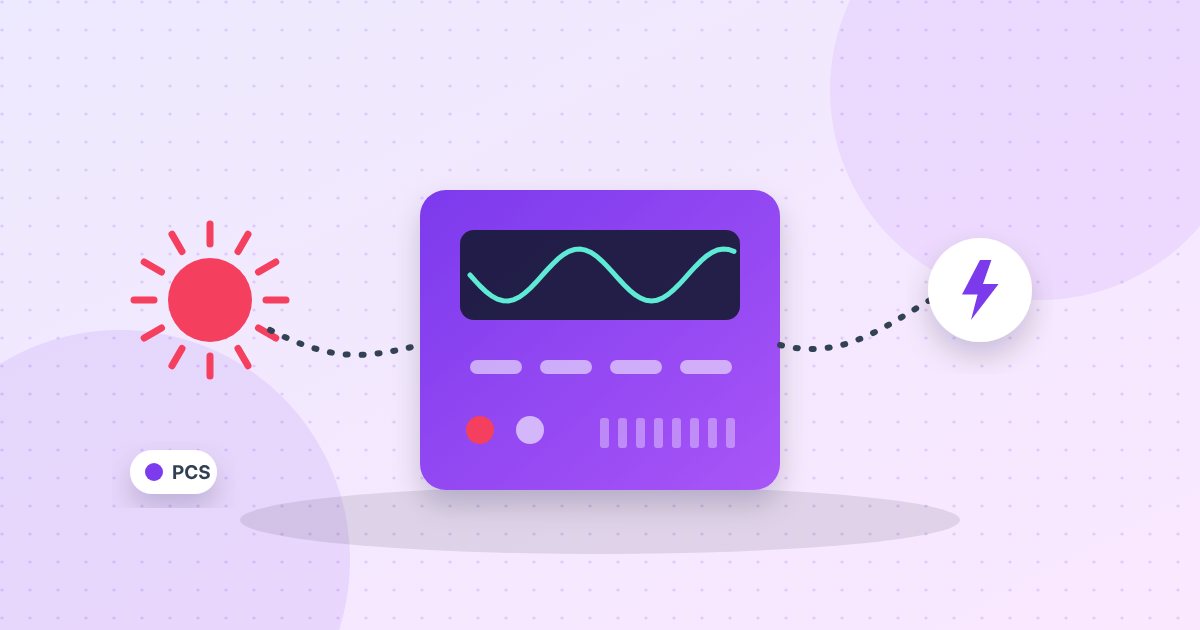
Every battery needs power electronics to talk to the grid. A hybrid inverter bundles solar and storage; a PCS is a dedicated bidirectional converter. Here is how to choose.
In this article
What is the difference between a PCS and a hybrid inverter?
A power conversion system (PCS) is a bidirectional converter that moves energy between a battery and the AC grid. A hybrid inverter does the same job and also manages solar input, usually in a single unit. Hybrid units suit smaller solar-plus-storage systems, while a dedicated PCS is common in larger or standalone storage projects.
Hybrid inverters
- Combine solar MPPT inputs, battery charging and AC output.
- Simplify design and installation for small and medium sites.
- Can provide backup operation when configured for it.
- Limited by the unit's rated power and battery voltage range.
Power conversion systems
- Built for battery storage, often in the hundreds of kW to MW range and stackable.
- Used with separate solar inverters or with no solar at all.
- Offer grid services features such as voltage and frequency support, where the grid code allows.
- Usually integrated into containerised storage systems.
Which fits your project?
| Situation | Often suits |
|---|---|
| Small to mid-size solar plus battery on one site | Hybrid inverter |
| Adding a battery to an existing solar plant | AC-coupled battery with its own PCS or battery inverter |
| Large standalone storage or peak shaving | PCS in a containerised system |
| Backup power for critical loads | Either, if designed and certified for islanded operation |
What to check on either one
- Rated AC power and the battery voltage window.
- Communication protocol with the battery management system.
- Grid code compliance and certifications. See documents to ask for.
- Efficiency, cooling and the temperature range for your climate.
- Warranty and local service.
Match it to the battery
The converter and the battery must be compatible electrically and in software. Ask the supplier to confirm the pair in writing. Read battery sizing to set the power rating and inverter types for solar-side choices.
Browse inverters and storage in the shop and B2B listings, or send an RFQ.
Frequently Asked Questions
Can a hybrid inverter replace a PCS?
For small systems yes. Large systems usually need a dedicated PCS.
What does bidirectional mean?
Power can flow both ways: from the grid into the battery and from the battery back out.
What is AC coupling?
Connecting the battery on the AC side, with its own inverter, instead of sharing a DC bus with the solar array.
Do I need a PCS for backup?
Not necessarily, but the converter must support islanded operation and be configured for it.
Who certifies the combination?
The supplier should provide certificates for the complete system. Ask for them.
Written by
Amir Oboudi
September 20, 2026
Related Articles
View all
How to Sell Energy Equipment on TradYard: A Supplier's Guide to Listings, Documents and Deals
Factories, distributors and surplus sellers can reach buyers on TradYard. Here is how to apply, build a listing buyers trust, host a live factory tour and handle quotes and deals.

How Surplus and Used Energy Equipment Auctions Work: A Buyer's Guide
Auctions can put surplus and used energy equipment in reach at a lower price, but only if you read the lot, set a limit and plan freight. Here is the process, step by step.
Backup Power for Commercial Sites: Generators, UPS and Batteries Compared
Generators, UPS units and batteries solve different parts of the backup problem. Here is how they compare and how to combine them for a commercial site.
Stay in the Loop
Get weekly market insights, auction alerts, and expert tips delivered to your inbox.
Unsubscribe anytime. No spam.