Power Factor Correction and Capacitor Banks: A Buyer's Guide for Industrial and Commercial Sites
 Amir Oboudi·September 25, 2026·6 min read
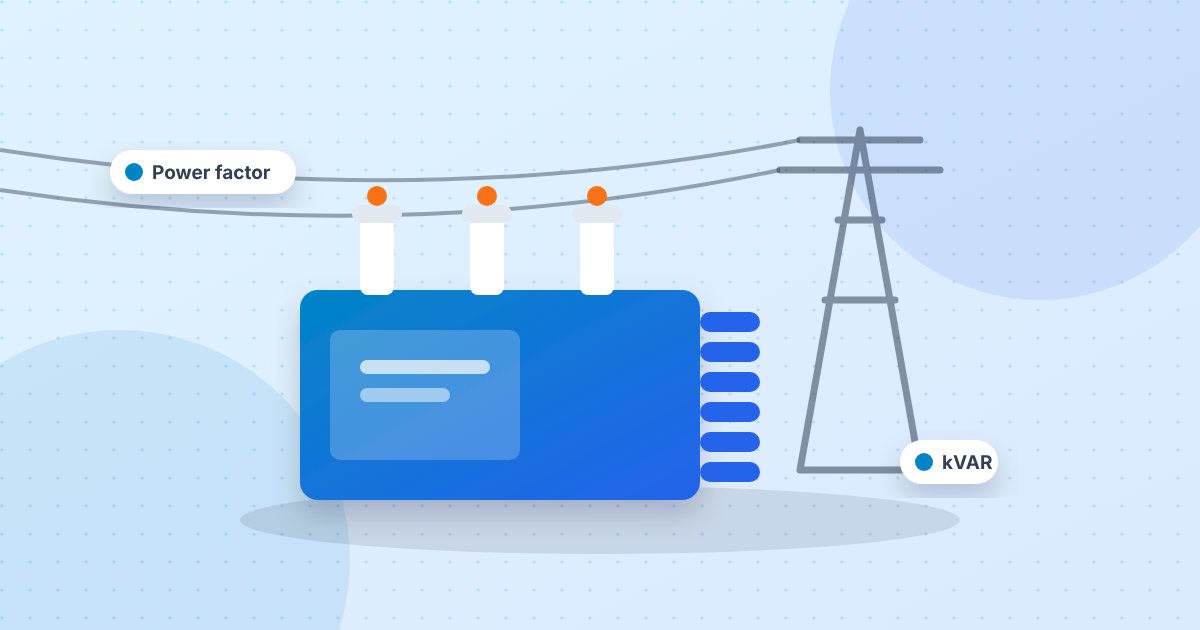
A low power factor wastes capacity and can trigger utility charges. Capacitor banks are the common fix, but harmonics and sizing need care.
In this article
What is power factor correction?
Power factor is the ratio between the useful power a load uses (kW) and the apparent power the system must supply (kVA). Motors, transformers and lighting ballasts draw reactive power (kVAR) that does no useful work but loads the system. A low power factor means you need bigger equipment for the same useful output, and some utilities charge for it. Power factor correction adds capacitors that supply the reactive power locally, bringing the ratio closer to one.
Why it matters
- Lower current for the same useful power, which reduces losses and frees capacity on transformers and cables.
- Possible savings on demand or power factor charges, depending on your tariff.
- Better voltage stability.
Types of correction equipment
- Fixed capacitors for steady loads such as a single large motor.
- Automatic capacitor banks that switch steps in and out as load changes.
- Detuned or filtered banks that include reactors to avoid resonance with harmonics.
- Active filters and static VAR devices for fast-changing or harmonic-rich loads.
Harmonics are the catch
Variable speed drives, inverters, LED drivers and rectifiers produce harmonics. Plain capacitors can resonate with the system and magnify them, damaging equipment. If your site has many electronic loads, get a harmonic study and consider detuned banks or active filters.
How to size a bank
- Collect load data: kW, kVA and the existing power factor over time.
- Decide the target power factor required by the utility or your goals.
- Calculate the kVAR needed, and the number of steps for smooth control.
- Choose the voltage class and enclosure for the installation.
Your engineer or the supplier's application team can run this with your meter data.
What to ask suppliers
- Rated kVAR, voltage and number of steps.
- Detuning reactor percentage and harmonic assumptions.
- Switching device type and expected life.
- Certifications and protection features. See documents to ask for.
- Warranty and service.
Related equipment
Power factor correction sits next to your transformers and switchgear. See transformer efficiency and switchgear basics. Browse equipment in the shop and B2B listings, or send an RFQ.
Frequently Asked Questions
What is a good power factor?
Many utilities look for 0.9 or above. Check your tariff.
What does kVAR mean?
Kilovolt-amperes reactive, the unit of reactive power.
Do solar inverters affect power factor?
Inverters can supply or absorb reactive power within their limits, depending on settings and the grid code.
Can capacitor banks cause problems?
Yes, through resonance with harmonics. Use studies and detuned designs when needed.
How long do capacitor banks last?
Life depends on temperature, harmonics and switching duty. Ask for the supplier's expected life.
Written by
Amir Oboudi
September 25, 2026
Related Articles
View all
How to Sell Energy Equipment on TradYard: A Supplier's Guide to Listings, Documents and Deals
Factories, distributors and surplus sellers can reach buyers on TradYard. Here is how to apply, build a listing buyers trust, host a live factory tour and handle quotes and deals.

How Surplus and Used Energy Equipment Auctions Work: A Buyer's Guide
Auctions can put surplus and used energy equipment in reach at a lower price, but only if you read the lot, set a limit and plan freight. Here is the process, step by step.
Backup Power for Commercial Sites: Generators, UPS and Batteries Compared
Generators, UPS units and batteries solve different parts of the backup problem. Here is how they compare and how to combine them for a commercial site.
Stay in the Loop
Get weekly market insights, auction alerts, and expert tips delivered to your inbox.
Unsubscribe anytime. No spam.