Pre-Shipment Inspection for Energy Equipment: What It Is and How to Order One
 Amir Oboudi·October 7, 2026·5 min read
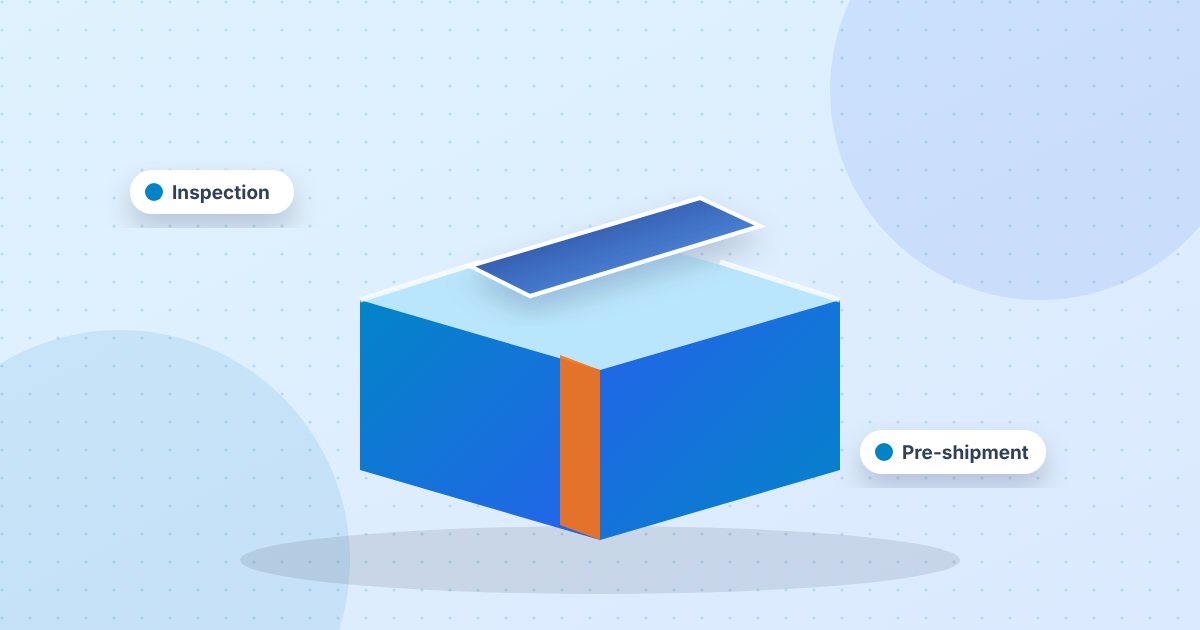
Finding a problem at the factory is cheaper than finding it in a container on your side of the ocean. A pre-shipment inspection is an independent check before you pay the balance.
In this article
What is a pre-shipment inspection?
A pre-shipment inspection (PSI) is an independent check of goods before they leave the supplier. An inspector visits the factory or warehouse, counts and checks the goods against the order, tests samples, reviews packing and labels, and issues a report. You use the report to release the balance payment, request corrections or reject the shipment.
What inspectors usually check
- Quantity and identification: models, serial numbers, pallets and cartons against the packing list.
- Visual quality: damage, finish, labels and workmanship.
- Specifications: dimensions, weight and markings against the datasheet.
- Function and performance tests: on a sample, using the tests you specify. See module testing methods.
- Packing and loading: pallet condition, strapping, container loading and sealing.
- Documents: certificates, test reports and shipping documents.
How to order one
- Choose an inspection company with experience in your product type, and confirm its independence from the supplier.
- Give them the purchase order, datasheets and the checklist of tests and acceptance criteria you want.
- Agree the timing, usually when production is complete and the goods are packed, before final payment.
- Define the sampling plan: how many units, from which pallets.
- Receive the report with photos and measurements, and compare it to your criteria.
Put it in the contract
The supplier must agree to the inspection, give access and cover re-inspection if the goods fail. State what happens if defects are found: repair, replacement, price reduction or cancellation. See key clauses in a supply agreement.
Link it to payment
Release the final balance only after a passing inspection report. See deposit and balance payments.
When is it worth it?
For large orders, new suppliers, custom products and high-value equipment. For repeat orders from a proven supplier a lighter check may be enough. Start with supplier verification and a sample order.
Browse B2B listings or post an RFQ that states your inspection requirement.
Frequently Asked Questions
Who pays for the inspection?
Usually the buyer, unless otherwise agreed. Re-inspection after failure is often paid by the supplier.
When is the best time to inspect?
When production is complete and most goods are packed, before final payment.
What if the inspection fails?
Follow the remedy in your contract: correction, replacement, discount or cancellation.
Can I inspect myself?
Yes, but an independent inspector brings experience and an objective record.
Does inspection replace testing on arrival?
No. It lowers the risk but you should still check the goods on arrival.
Written by
Amir Oboudi
October 7, 2026
Related Articles
View all
How to Sell Energy Equipment on TradYard: A Supplier's Guide to Listings, Documents and Deals
Factories, distributors and surplus sellers can reach buyers on TradYard. Here is how to apply, build a listing buyers trust, host a live factory tour and handle quotes and deals.
How Surplus and Used Energy Equipment Auctions Work: A Buyer's Guide
Auctions can put surplus and used energy equipment in reach at a lower price, but only if you read the lot, set a limit and plan freight. Here is the process, step by step.
Backup Power for Commercial Sites: Generators, UPS and Batteries Compared
Generators, UPS units and batteries solve different parts of the backup problem. Here is how they compare and how to combine them for a commercial site.
Stay in the Loop
Get weekly market insights, auction alerts, and expert tips delivered to your inbox.
Unsubscribe anytime. No spam.