Testing Used Solar Panels: IV Curve, EL Imaging and Visual Checks
 Amir Oboudi·October 2, 2026·6 min read
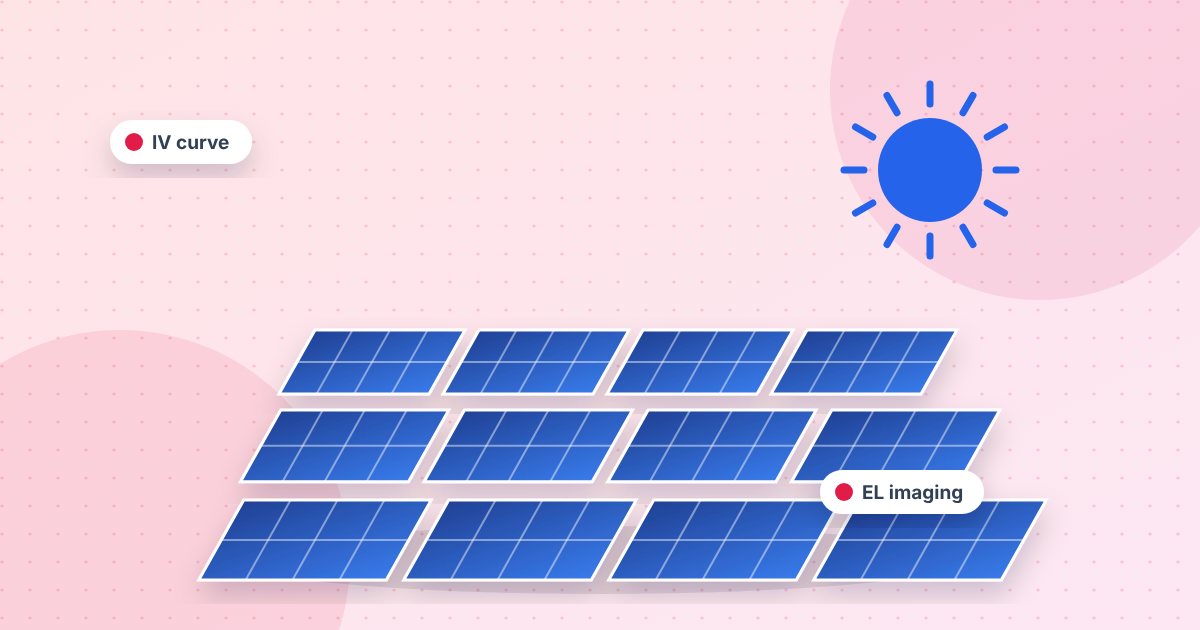
Used panels can hide damage you cannot see. Three tests, visual inspection, IV curve tracing and electroluminescence imaging, tell you most of what you need to know.
In this article
How do you test used solar panels?
Test used solar panels in layers: start with a careful visual inspection, measure the electrical output with an IV curve tracer and compare it with the rated power, and use electroluminescence (EL) imaging to reveal hidden cell damage such as microcracks. For large lots, test a statistically meaningful sample from each pallet or batch, and agree what happens if the sample fails.
1. Visual inspection
- Cracked or chipped glass, frame bends, delamination and bubbles.
- Discolouration, burn marks and hot-spot signs on cells or backsheet.
- Junction box condition, cable and connector damage.
- Rating label legible and matching the datasheet, with serial numbers present.
- Pallet and packaging condition, because poor storage often means damage.
2. IV curve measurement
An IV curve tracer measures the current and voltage characteristics of the module under known light. From it you can read the maximum power, open-circuit voltage and short-circuit current, and compare them with the nameplate, corrected for conditions. A module that delivers far below its rating, or shows a distorted curve, may have damaged cells or bypass diode problems. Use calibrated equipment and a recognised procedure, ideally a qualified lab.
3. Electroluminescence imaging
EL imaging passes current through a module in the dark and photographs the infrared light the cells emit. Dark areas reveal cracks, broken fingers and inactive cell regions that cannot be seen by eye. It is a strong tool for checking whether a lot has suffered transport or handling damage.
4. Insulation and safety checks
Insulation resistance and wet leakage tests check that the module is safe to put into service. These are done by testing labs and installers with proper equipment.
Sampling a lot
You rarely test every module. Define a sampling plan: how many modules per pallet or batch, how they are chosen, and the acceptance criteria. Agree the plan with the seller before you pay. For large lots, a third-party lab is worth the cost. See pre-shipment inspection.
Use the results
Adjust the price accordingly, or reject the lot, using the method in pricing used panels. Reflect remedies in the agreement. See key clauses.
Safety note: handle modules carefully. They can produce voltage in light, and broken glass is dangerous.
Frequently Asked Questions
What is a microcrack?
A very small crack in a solar cell, often invisible to the eye, that can grow and reduce output.
Can I test panels myself?
You can do visual checks. Electrical and safety tests need proper equipment and qualified people.
What does EL stand for?
Electroluminescence, light emitted by a cell when current flows through it.
How many panels should I test?
It depends on the lot size and risk. Agree a sampling plan with the seller or a lab.
Do test results transfer to the whole lot?
Only if the sample is representative and the lot is homogeneous.
Written by
Amir Oboudi
October 2, 2026
Related Articles
View all
How to Sell Energy Equipment on TradYard: A Supplier's Guide to Listings, Documents and Deals
Factories, distributors and surplus sellers can reach buyers on TradYard. Here is how to apply, build a listing buyers trust, host a live factory tour and handle quotes and deals.
How Surplus and Used Energy Equipment Auctions Work: A Buyer's Guide
Auctions can put surplus and used energy equipment in reach at a lower price, but only if you read the lot, set a limit and plan freight. Here is the process, step by step.
Backup Power for Commercial Sites: Generators, UPS and Batteries Compared
Generators, UPS units and batteries solve different parts of the backup problem. Here is how they compare and how to combine them for a commercial site.
Stay in the Loop
Get weekly market insights, auction alerts, and expert tips delivered to your inbox.
Unsubscribe anytime. No spam.