UPS Types Explained: Online Double-Conversion vs Line-Interactive vs Standby
 Amir Oboudi·September 28, 2026·5 min read
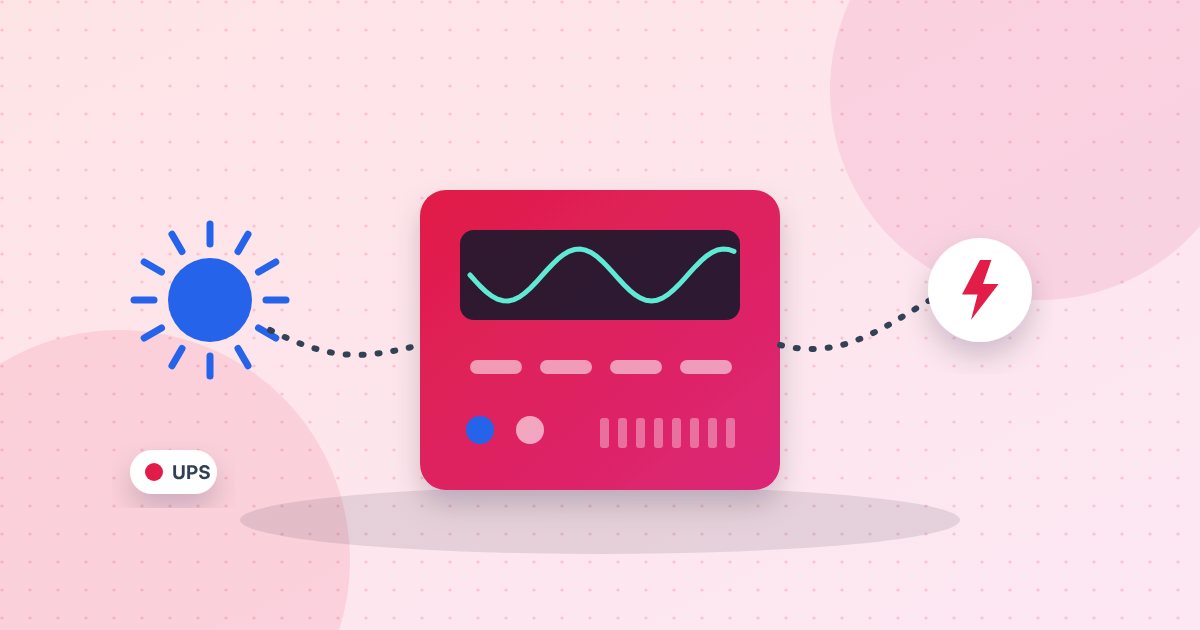
A UPS keeps critical equipment running through short outages and cleans up bad power. The three main designs differ in protection, efficiency and cost.
In this article
What are the main types of UPS?
An uninterruptible power supply (UPS) comes in three main designs. A standby (offline) UPS switches to battery when power fails and is the simplest and cheapest. A line-interactive UPS adds voltage regulation so it can correct small sags and surges without using the battery. An online double-conversion UPS constantly converts incoming power to DC and back to AC, so the load is always isolated from the grid, giving the highest protection.
Comparing the designs
| Standby | Line-interactive | Online double-conversion | |
|---|---|---|---|
| Protection level | Basic | Good | Highest |
| Transfer time | Short gap | Short gap | None |
| Efficiency | High | High | Lower in standard mode, with eco modes available |
| Cost | Lowest | Moderate | Highest |
| Typical use | Desktop equipment | Offices, small servers, networking | Data centres, medical, process control |
Sizing a UPS
- List the protected loads and their power in W and VA.
- Sum the loads and add growth margin.
- Pick a UPS with a rating above the total, checking both VA and watts.
- Decide the runtime you need and size the batteries for it.
For long runtimes, pair the UPS with a generator. See generator choices and backup power for commercial sites.
Battery technology
UPS batteries are typically sealed lead-acid or lithium-ion. Lithium-ion can last longer and take less space, usually at a higher upfront price. Compare total cost over the life, including replacement cycles. For safety questions, see battery fire safety.
Features to compare
- Input and output voltage, and power factor rating.
- Bypass options, redundancy (N+1) and hot-swappable modules.
- Monitoring and alarms.
- Certifications and warranty. See documents to ask for.
Browse power equipment in the shop and B2B listings or send an RFQ.
Frequently Asked Questions
Which UPS type is best?
It depends on the load. Critical, sensitive equipment suits online double-conversion. Office equipment is often fine with line-interactive.
What is VA vs watts?
VA is apparent power and watts is real power. A UPS has a rating for both.
How long will the battery last?
It depends on the load and battery capacity. Runtime charts are available from the manufacturer.
How often do UPS batteries need replacing?
Lead-acid batteries typically need replacing every few years. Check the manufacturer's guidance.
Do I need a UPS if I have a generator?
Usually yes for sensitive loads, to cover the time before the generator takes over.
Written by
Amir Oboudi
September 28, 2026
Related Articles
View all
How to Sell Energy Equipment on TradYard: A Supplier's Guide to Listings, Documents and Deals
Factories, distributors and surplus sellers can reach buyers on TradYard. Here is how to apply, build a listing buyers trust, host a live factory tour and handle quotes and deals.

How Surplus and Used Energy Equipment Auctions Work: A Buyer's Guide
Auctions can put surplus and used energy equipment in reach at a lower price, but only if you read the lot, set a limit and plan freight. Here is the process, step by step.
Backup Power for Commercial Sites: Generators, UPS and Batteries Compared
Generators, UPS units and batteries solve different parts of the backup problem. Here is how they compare and how to combine them for a commercial site.
Stay in the Loop
Get weekly market insights, auction alerts, and expert tips delivered to your inbox.
Unsubscribe anytime. No spam.